The Queen’s Platinum Jubilee - what was happening at Spurs 70 years ago?
As the UK prepares to celebrate the Queen’s Platinum Jubilee, we’ve taken a look back in time to see what we were up to as a Club back in the period from 6 February, 1952, when King George VI passed away and Princess Elizabeth acceded to the throne and June, 1953, when her Coronation took place at Westminster Abbey.
On 6 February this year, Her Majesty The Queen became the first British Monarch to celebrate a Platinum Jubilee, marking 70 years of service to the people of the United Kingdom, the Realms and the Commonwealth. A four-day UK bank holiday from today (2 June) until Sunday marks the culmination of events to mark this unprecedented anniversary, with a series of spectacular events taking place in central London.
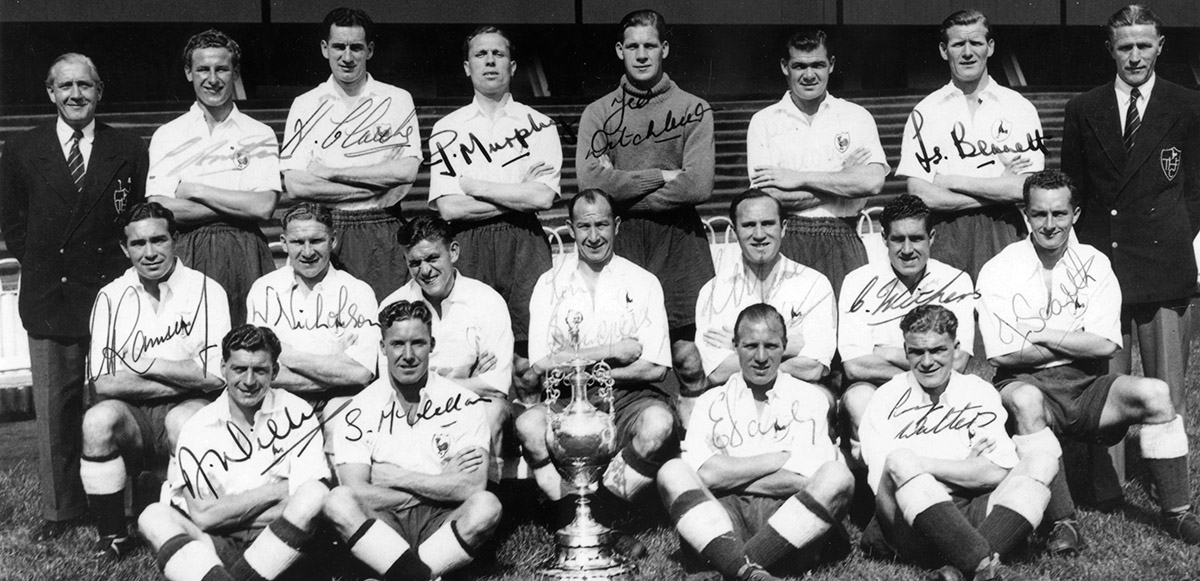
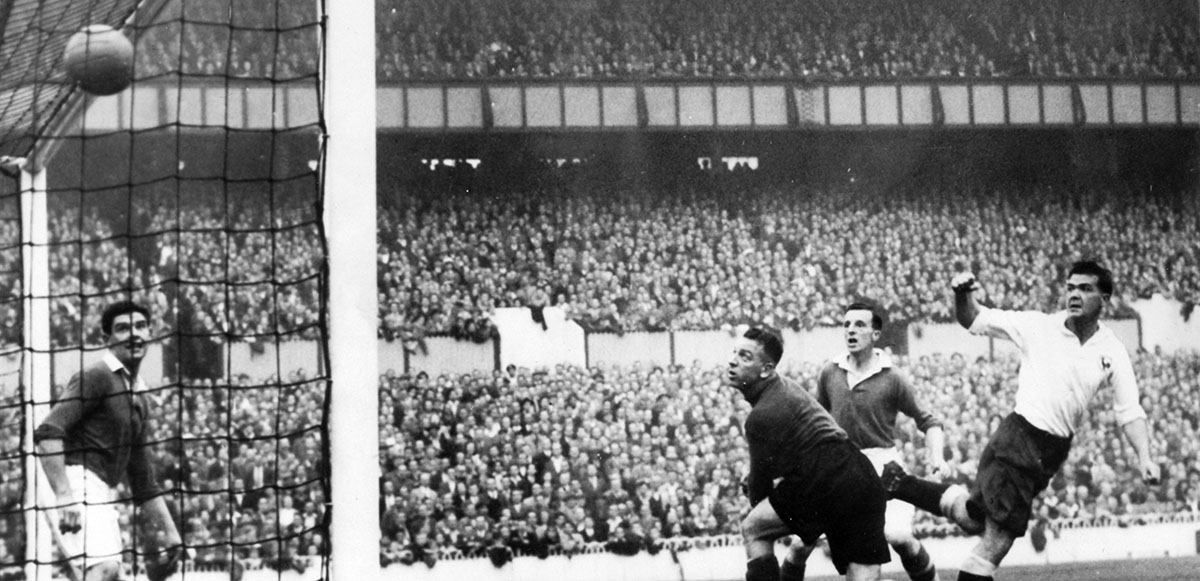
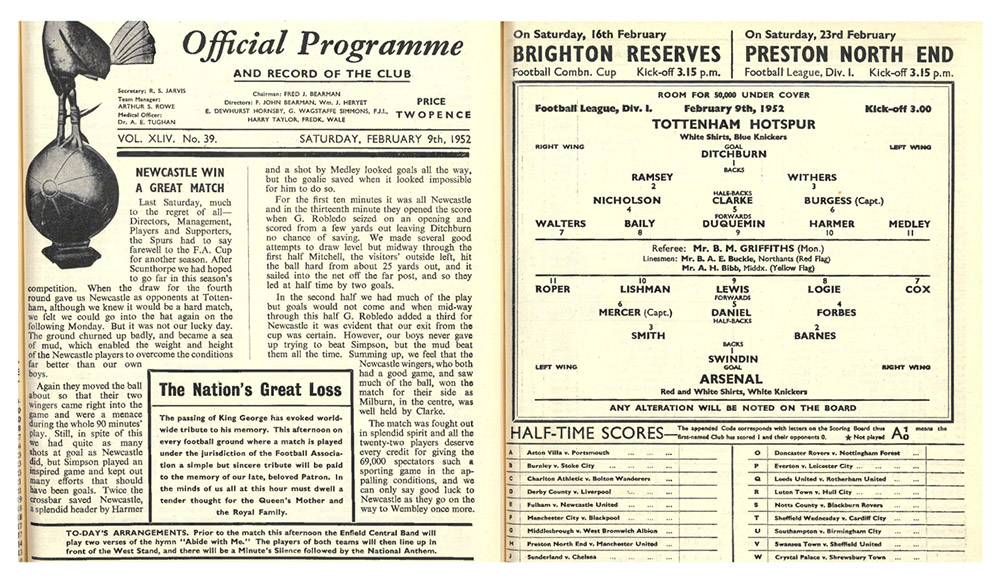
Going back over 70 years to 9 February, 1952, just days after King George VI's passing, and we took on Arsenal in a north London derby at White Hart Lane. We were sitting sixth in the old Football League Division One at the time, five points adrift of leaders Manchester United - remember, this was the days of two points for a win - having played 30 of our 42 league games as we defended our first Division One championship won the season before, 1950/51.
The official matchday programme that day changed its usual blue text to black as a mark of respect following King George VI’s passing and, on the front page, we paid tribute, under the headline, ‘The Nation’s Great Loss’, writing...
The passing of King George has evoked world-wide tribute to his memory. This afternoon on every football ground where a match is played under the jurisdiction of the Football Association a simple but sincere tribute will be paid to the memory of our late, beloved Patron. In the minds of us all at this hour must dwell a tender thought for the Queen’s Mother and the Royal Family.
Also, under the headline, ‘Today’s arrangements’, the programme explained that... the Enfield Central Band will play two versus of the hymn, ‘Abide with Me’. The players of both teams will then line up in front of the West Stand, and there will be a Minute’s Silence, followed by the National Anthem.
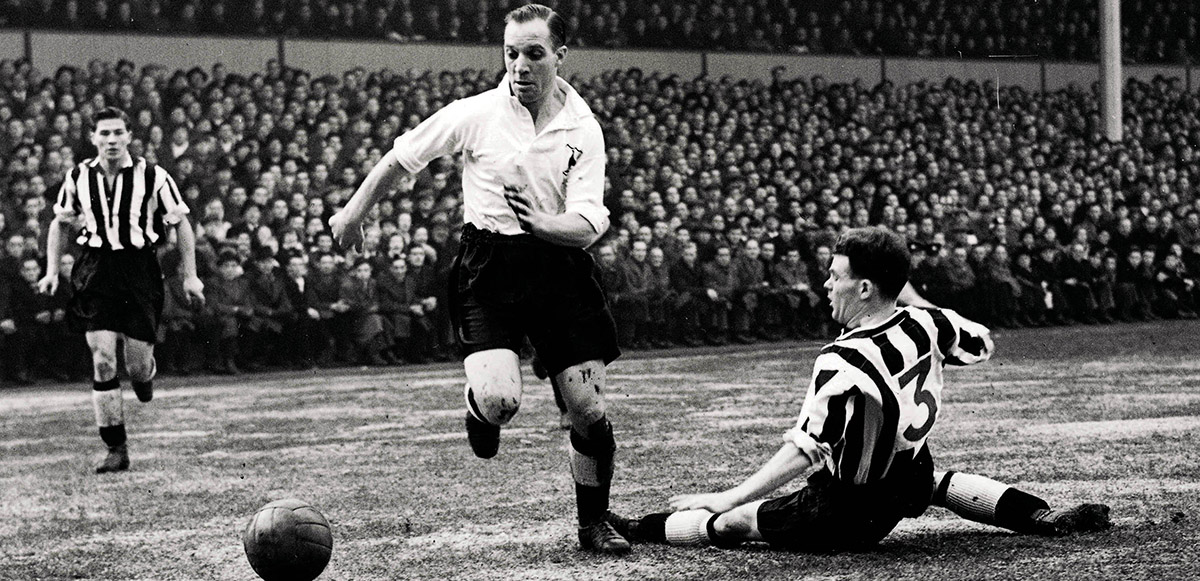
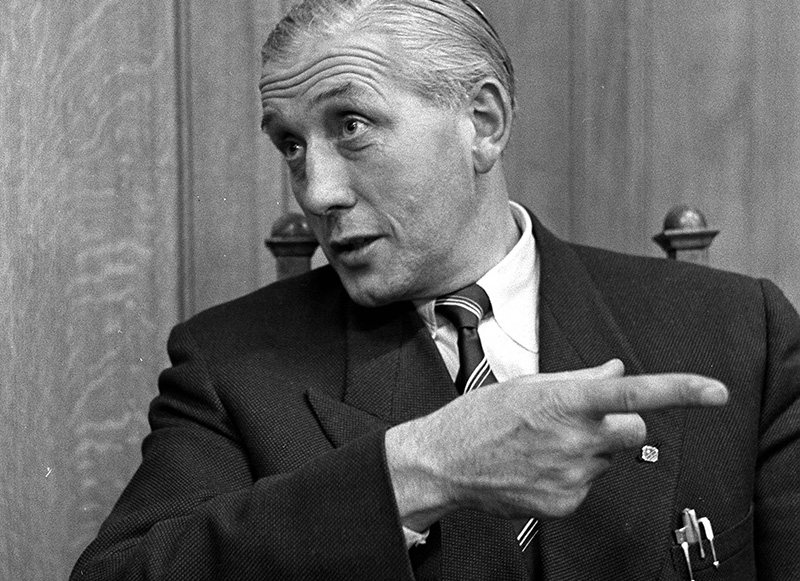
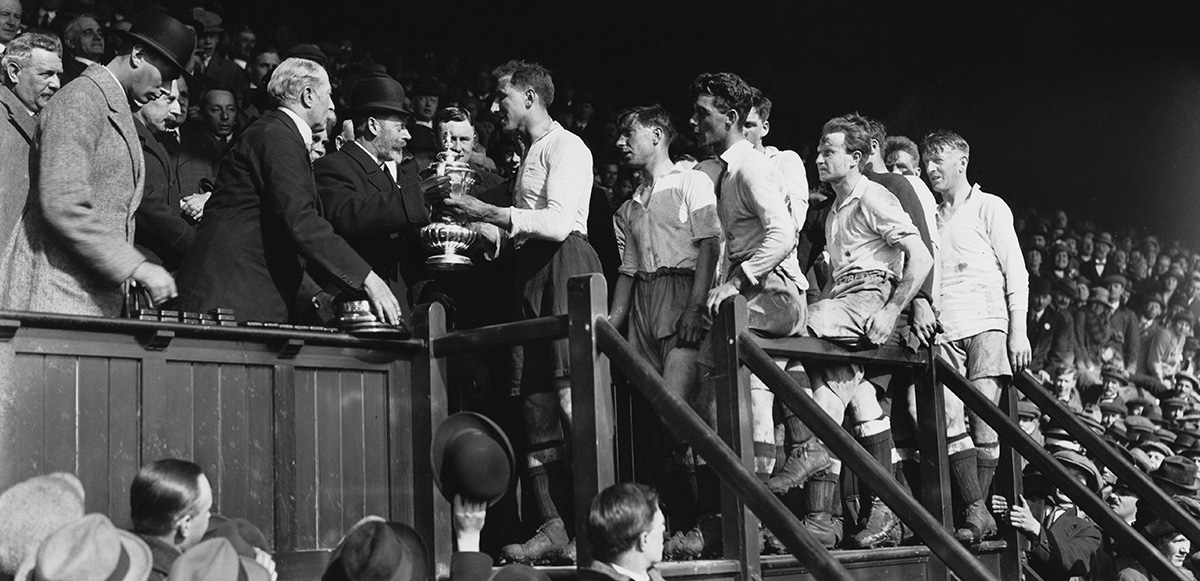
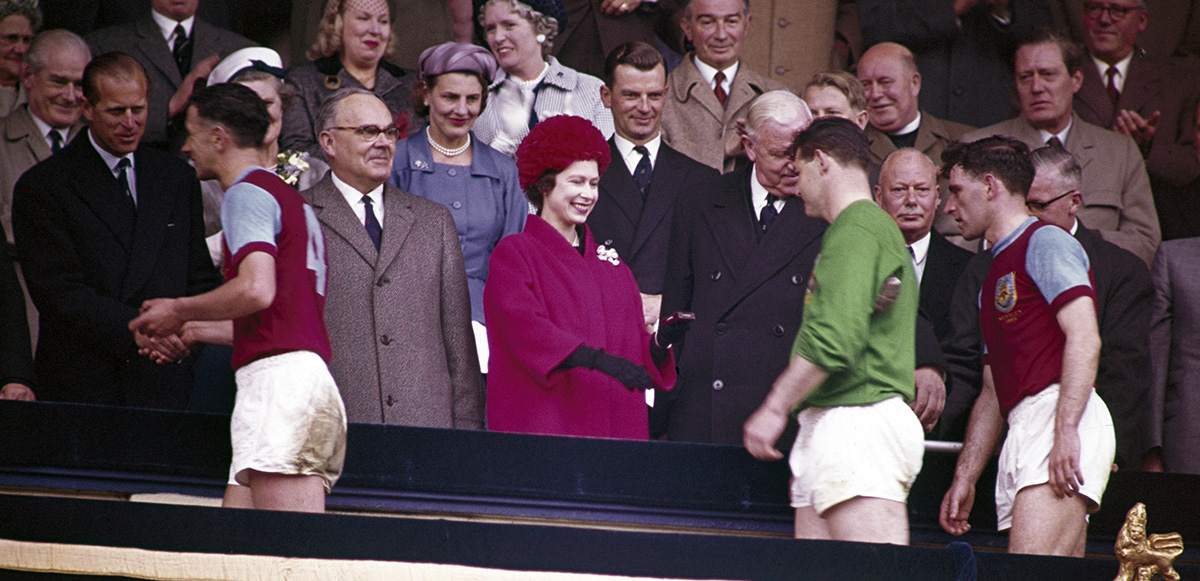
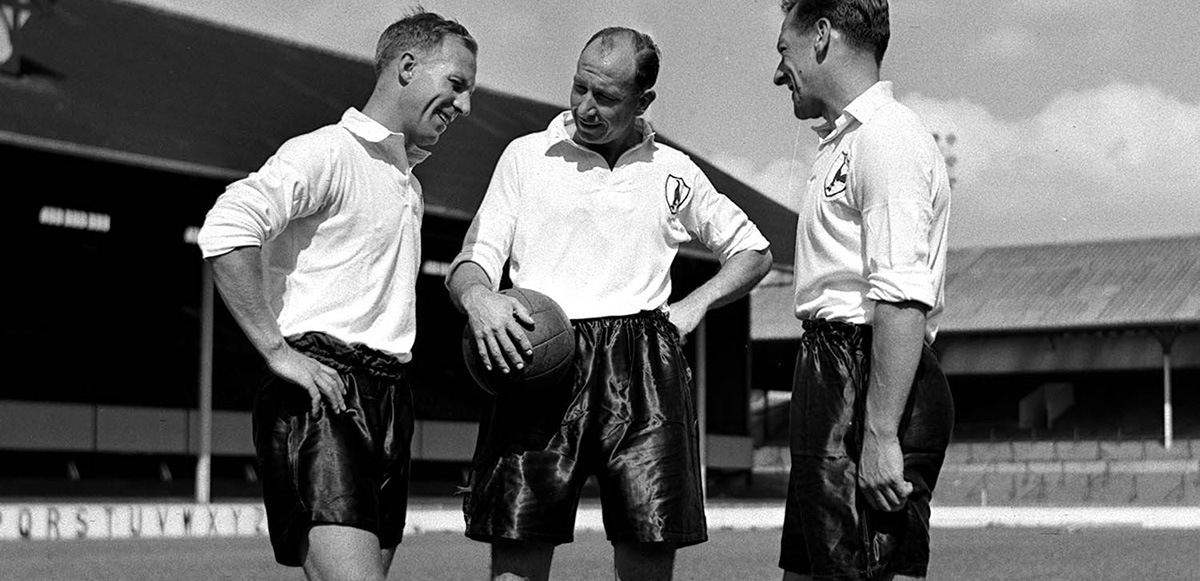
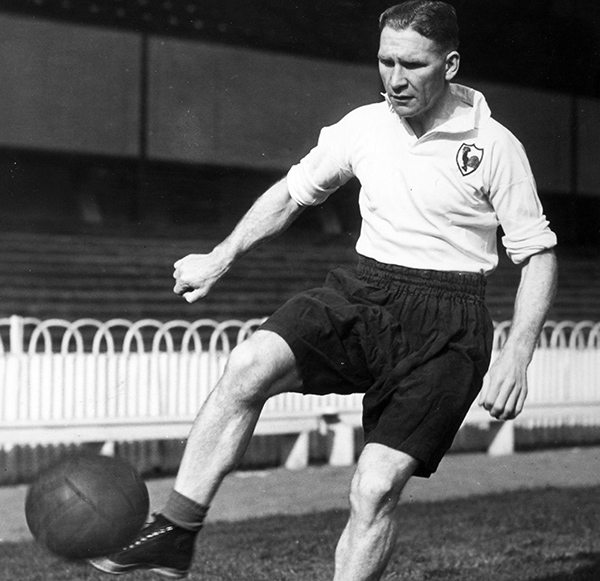
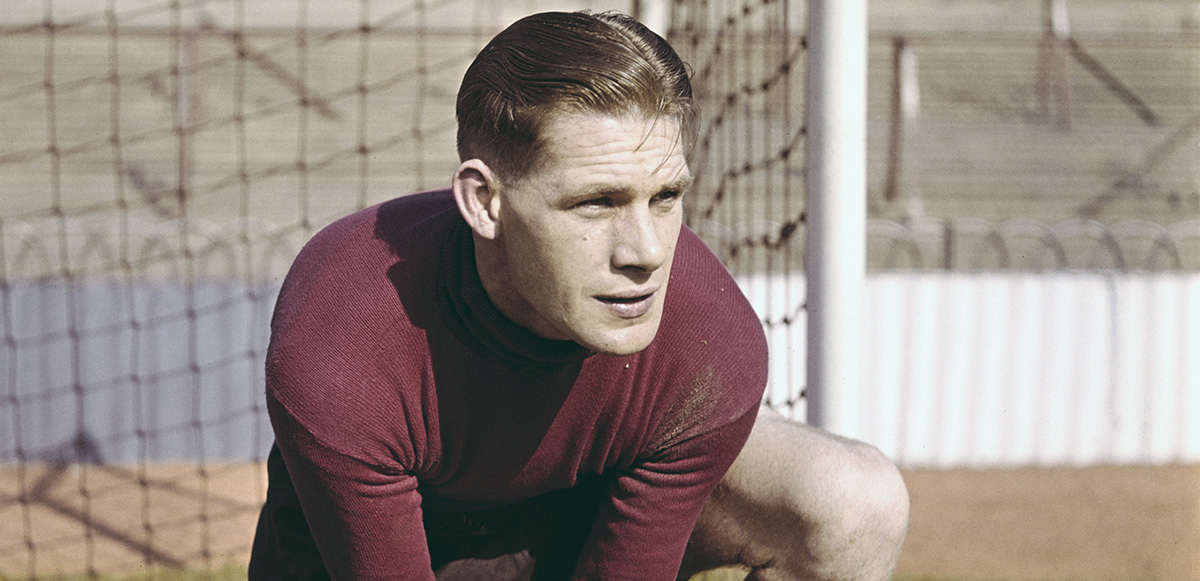
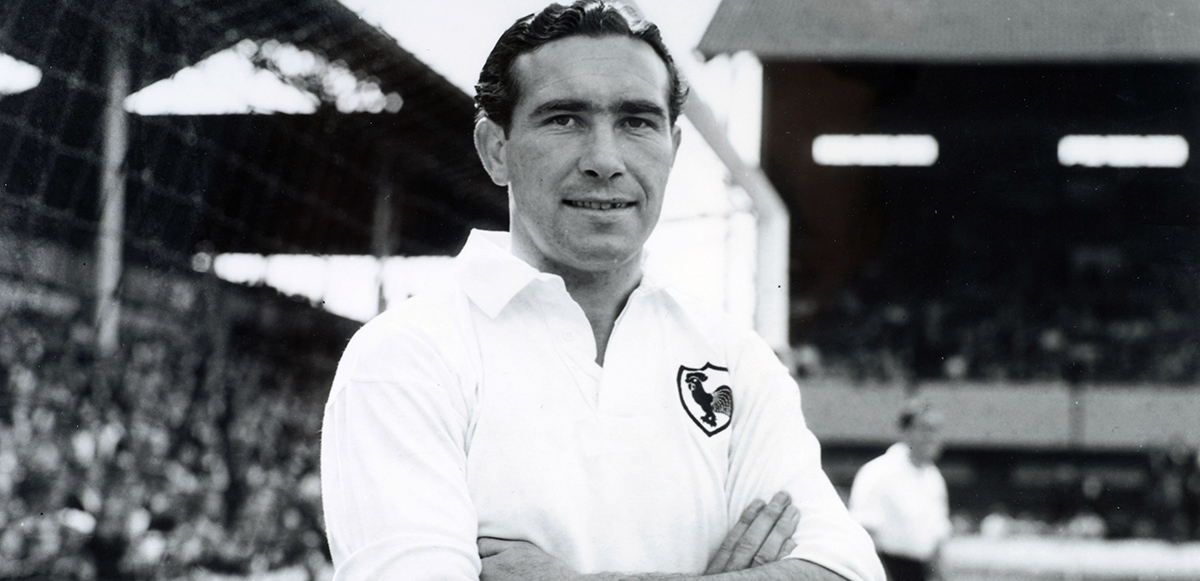
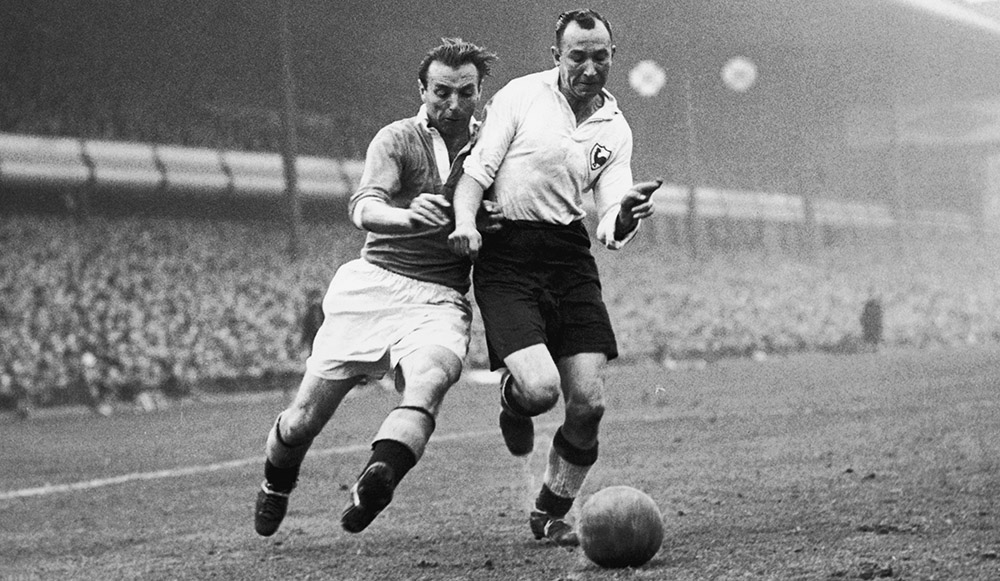
This was one of the most successful, important periods in the Club’s history. Under the guidance of Arthur Rowe, the team included some of our all-time greats like goalkeeper Ted Ditchburn, Bill Nicholson, who would later become our greatest-ever manager, Eddie Baily, Bill’s future assistant, captain Ron Burgess, forward Len Duquemin and Alf Ramsey, England’s future World Cup-winning manager. Playing our famous ‘push and run’ style of football, we won the Second Division title in 1949/50 and followed up by taking the top flight championship in some style in 1950/51, scoring 82 goals in 42 matches to edge Manchester United by four points.
Into 1951/52, and we lost the derby mentioned above on 9 February, but put together a fine run of form to finish runners-up in the defence of our crown, this time four points adrift of United, who were building the famous ‘Busby Babes’ team of the 1950s under Matt Busby.
The following season, 1952/53, was tougher, as we finished 10th in Division One, won by Arsenal on goal difference from Preston North End and suffered the blow of being knocked out at the semi-final stage of the FA Cup by Blackpool, who would go on to win the famous ‘Matthews Final’. Goals were still flying in though – our haul of 78 was fourth best in the league, and included a 7-1 win against Middlesbrough on Christmas Day.
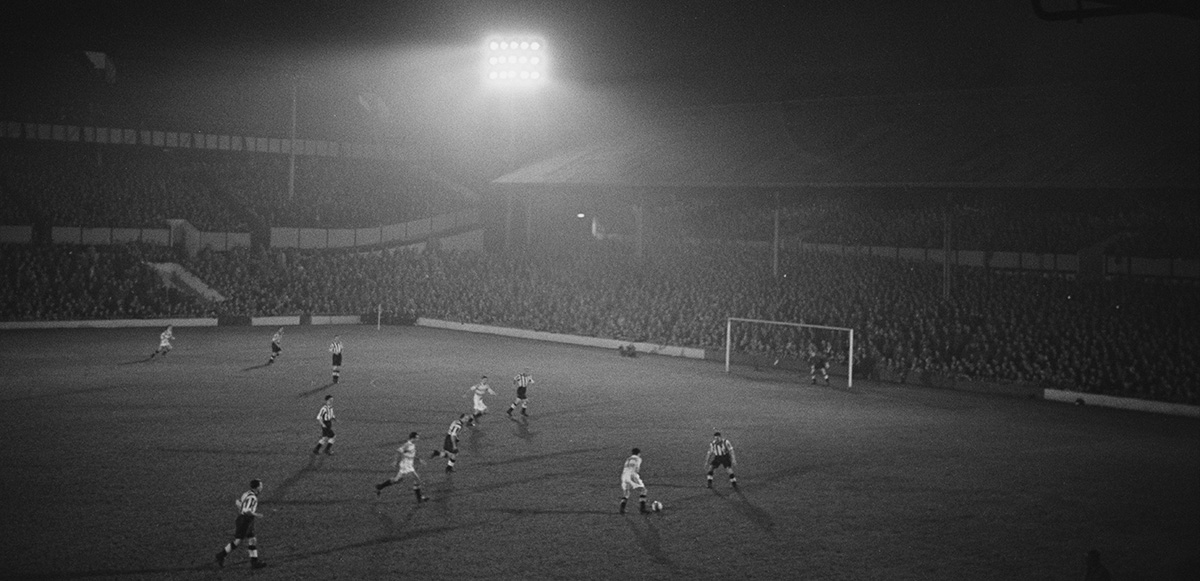
The Queen’s Coronation followed that summer in June, 1953, and it was a busy time for the Club between seasons, not least with the installation of floodlights. Our official programme for the first game of the season - a trial between ‘Whites’ (the first team) and ‘Colours’ (reserves) on 15 August - noted... ‘At the present time there is no thought of playing Football League matches or FA Cup matches by floodlight, nor to disturb the normal Saturday afternoon sequence of football which is so much a feature of our national life’.
The first floodlit match followed that September, a friendly against Racing Club de Paris. On the pitch, George Robb was a notable arrival for 1953/54 - George would go on to play 200 times for us - while another legend, title-winner Les Medley, departed for Canada after making 164 appearances. We’d go on to finish 16th in the First Division that season.